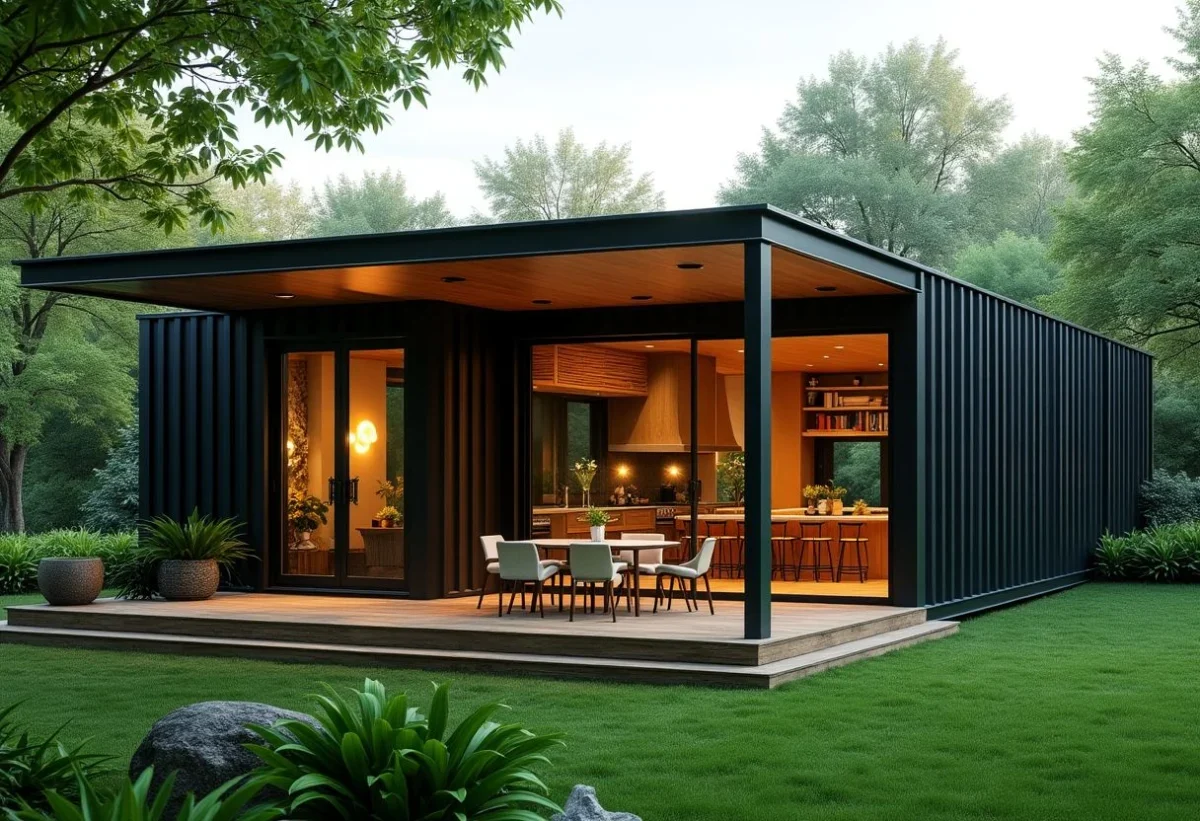
In a rapidly changing world, where space and resource optimization has become essential, purchasing containers stands out as a practical and innovative solution. Initially dedicated to maritime transport, these metal structures are reinventing themselves to adapt to various uses. From building houses to setting up modular offices, containers meet a multitude of needs. Their robust design and durability make them a wise choice for those looking to invest intelligently. But what does purchasing a container really involve? What criteria should be considered to make the right choice?
Understanding the Different Types of Containers
Before proceeding with a purchase, it is essential to understand the different categories of containers available on the market. Each type offers specific characteristics that determine its optimal use.
- Dry Containers, also known as standard containers, are the most common. They are primarily used for transporting dry goods. Their simple design and standardized size make them a popular option for storage and conversion into living or working spaces.
- For goods requiring temperature control, Refrigerated Containers or reefers are essential. They ensure that perishable products arrive at their destination in perfect condition.
- Open Top Containers: These allow for easy loading from the top, ideal for bulky or difficult-to-handle items.
- Flat Rack Containers: Designed to transport heavy or oversized loads, they have no side walls.
The Economic Advantages of Purchasing a Container
Buying a container is not just a pragmatic option; it is also an economical choice. The initial costs may seem high, but the long-term benefits are numerous.
- Flexibility of Use: Usable for various purposes, ranging from storage to conversion into housing.
- Reduced Construction Costs: Cheaper and quicker to set up than traditional construction.
- Durability and Longevity: Designed to withstand maritime conditions, these structures have an impressive lifespan.
- Resale and Return on Investment: Containers retain their value well, allowing for advantageous resale.
Legal and Environmental Aspects to Consider
Acquiring a container is not just a simple commercial transaction; it is essential to consider the legal and environmental aspects that accompany its use.
First of all, it is imperative to inquire about local regulations before buying a container. Some areas impose restrictions on the installation and use of such structures.
From an environmental perspective, using recycled containers for construction projects helps reduce the carbon footprint. Their reuse contributes to an eco-responsible approach, transforming materials destined for abandonment into valuable resources.
How to Choose the Right Container Supplier
Choosing the supplier is a decisive step in the process of purchasing a container. A good supplier not only guarantees a quality product but also reliable after-sales service.
When selecting, prioritize companies with a solid reputation and proven experience in the field. Do not hesitate to consult customer reviews and ask for references to ensure the supplier’s credibility.
It is also advisable to compare prices and check the warranties offered by each supplier. A good quality-price ratio combined with a satisfaction guarantee is the hallmark of a successful investment.