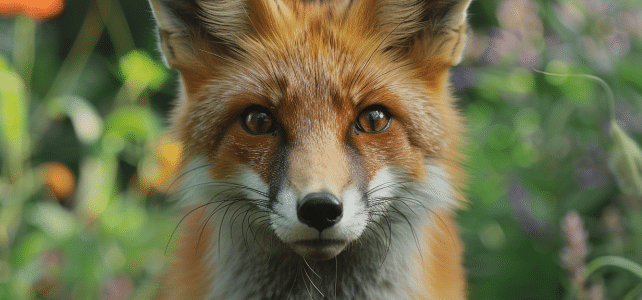
As you stroll through the flower-filled paths and well-kept lawns, it is not uncommon to encounter fascinating little carnivores. Hedgehogs, weasels, and ferrets are regular visitors to our gardens, each with its own characteristics and behaviors. These discreet predators play a fundamental role in ecological balance, regulating populations of pests such as insects and small rodents.
For example, the hedgehog is known for its defensive spines and varied diet, which includes insects and slugs. The weasel, on the other hand, is distinguished by its agility and ability to sneak into the smallest corners to catch its prey. Each contributes to the biodiversity, transforming our green spaces into true sanctuaries of wildlife.
The species of small carnivores in our gardens
Our gardens can host a variety of small carnivores that each play a specific role in the ecosystem. Among them, the mustelids are particularly interesting.
The pine marten
- Scientific name: Martes martes
- Family: Mustelidae
- Order: Carnivora
- Size: 35 cm to 57 cm
- Weight: 750 g to 2 kg
- Fur: Chocolate brown
- Habitat: Dense coniferous and/or deciduous forests
- Territory: 150 hectares for males, 30 hectares for females
- Diet: Small mammals, birds, reptiles, amphibians, insects, fruits
- Reproduction: 2 to 6 young, gestation of 30 to 45 days
- Life expectancy: 3 to 4 years in the wild, up to 18 years in captivity
The pine marten is a solitary and territorial carnivore, primarily living in forests. It is often confused with its cousin, the ferret.
The ferret
- Scientific name: Martes foina
- Family: Mustelidae
- Order: Carnivora
- Fur: Bilobed white
- Habitat: Proximity to human dwellings
- Diet: Similar to the marten
The ferret is distinguished from the marten by its fur and behavior. It approaches human dwellings more closely, and its diet is also varied, including small mammals and fruits. The ferret and weasel share common traits, but the weasel is more common in our gardens.
The mustelids
The mustelids, a family that includes the pine marten and the ferret, consist of several species of carnivores. These animals are adapted to various environments, from dense forests to urban areas, and play an essential role in regulating populations of other animals.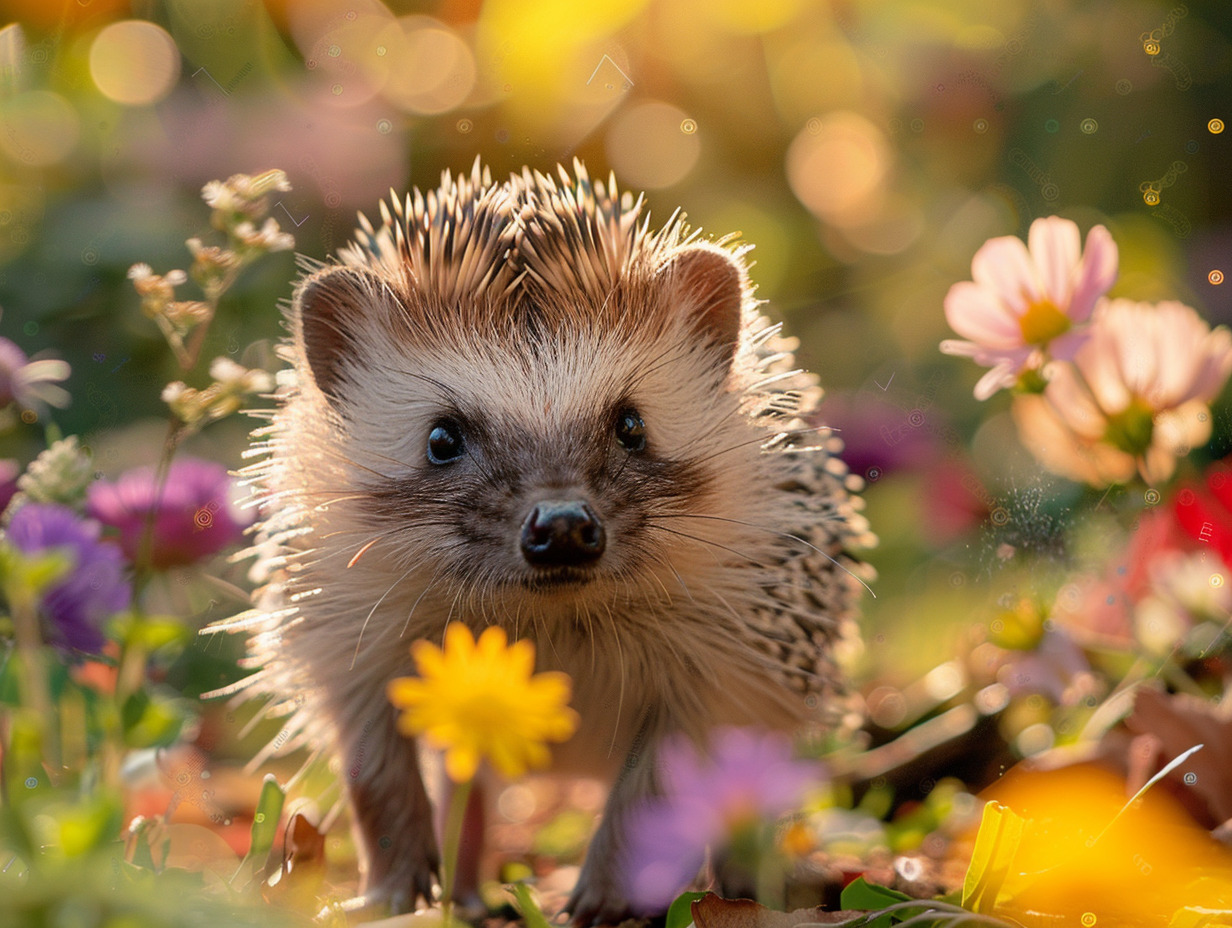
Their behaviors and interactions with the environment
The small carnivores in our gardens, such as the pine marten and the ferret, exhibit fascinating behaviors and complex interactions with their environment. The pine marten, for example, is a solitary and territorial animal. It prefers dense coniferous or deciduous forests, where it primarily hunts at night. Its territory can extend up to 150 hectares for a male. This territorial extension is necessary to meet its varied dietary needs, composed of small mammals, birds, reptiles, amphibians, insects, and fruits.
The ferret, often confused with the pine marten, is more adaptable. It often approaches human dwellings, taking advantage of the presence of attics or barns for shelter. This proximity to humans does not change its diet, which is similar to that of the marten. The ferret also plays a fundamental role in regulating pest populations.
| Animal | Habitat | Territory | Diet |
|---|---|---|---|
| Pine marten | Dense forests | 150 hectares for males | Small mammals, birds, reptiles, amphibians, insects, fruits |
| Ferret | Proximity to human dwellings | – | Similar to the marten |
The presence of these carnivores in France is particularly notable in the eastern part of the country and in mountainous forest areas. Ireland, for its part, has undertaken reintroduction programs for the pine marten, demonstrating the importance of these species for local ecosystems. The interactions of these animals with the environment highlight their key role in ecosystem regulation and biodiversity.