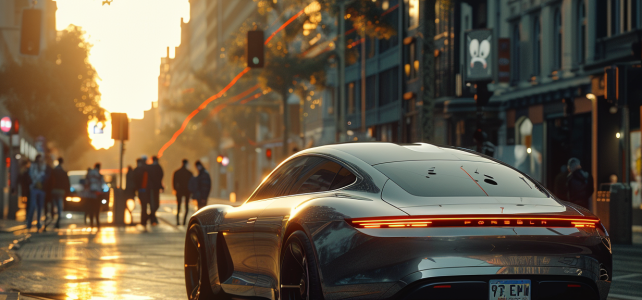
The rise of connected cars is radically transforming the driving experience. These technological advancements, integrating artificial intelligence, advanced navigation systems, and V2X (vehicle to everything) connectivity, not only enhance safety with predictive alert and driving assistance devices but also promise better energy efficiency. They pave the way for smoother interactions between the vehicle, its environment, and infrastructure. Drivers benefit from increased comfort and reduced stress related to driving, while questioning the implications of these technologies on privacy and data security.
Recent technological innovations in connected cars
The communicating car has established itself as one of the notable technological innovations of recent years. This rapidly evolving field has been the epicenter of attention at the Paris Motor Show, where major industry players showcased vehicles equipped with technologies enabling advanced communication. The consulting firm Roland Berger estimates that nearly 70% of vehicles will be connected by 2025, signaling a profound transformation in our relationship with mobility.
In the wake of communicating cars, the autonomous car captured attention at the CES in Las Vegas. At this flagship event, major advancements were presented, illustrating manufacturers’ ambition to push the boundaries of autonomy. The Audi A7 Piloted Driving, which traveled 900 kilometers from San Francisco to Las Vegas, embodies this technical feat. The car achieved this performance in autonomous mode, marking a significant milestone in the evolution of driverless driving.
The components of IoT (Internet of Things) and artificial intelligence are at the heart of these advancements. The technology embedded in connected cars, such as the DekraBox, is an ecosystem of interconnected sensors and software. This device not only enables continuous communication between the vehicle and the surrounding infrastructure but also enhances the driving experience through real-time data collection and analysis.
The field of connectivity now extends beyond the traditional boundaries of the automotive sector, engaging collaborations between manufacturers, tech startups, and telecommunications companies. The convergence of technology and mobility opens new horizons, propelling the driver into a truly communicative ecosystem, promising a revolution in our daily commutes.
The impact of connected cars on drivers’ daily lives
The daily lives of drivers are undergoing a transformation with the advent of connected cars. Safety is one of the most impacted areas, where the integration of advanced driver assistance systems promises a significant reduction in road accidents. Detection technologies and automatic reactions to obstacles, already present in some models, herald an era where electronic vigilance will complement human attention.
With the rise of electric mobility, another fundamental aspect is emerging: energy efficiency. Electric vehicles, often equipped with connected features, are at the heart of automotive manufacturers’ sustainable development strategies. Their growing adoption, coupled with intelligent battery management and energy recovery systems, shapes a cleaner and more economical mobility.
Technological progress inevitably raises questions of security and privacy. The data generated and shared by these smart cars holds invaluable value, both for users and cybercriminals. Manufacturers and authorities must therefore collaborate closely to ensure the protection of users’ personal data and the resilience of systems against cyberattacks.
The new trends in the world of connected cars are revolutionizing driving habits and consumer expectations. From real-time navigation applications to intuitive user interfaces, and predictive maintenance, the driver benefits from an enriched and personalized experience. These developments, driven by experts such as Sébastien Amichi from Roland Berger, underscore the need for manufacturers to stay at the forefront of innovation to meet the growing appetite for increasingly connected, autonomous, and environmentally friendly vehicles.