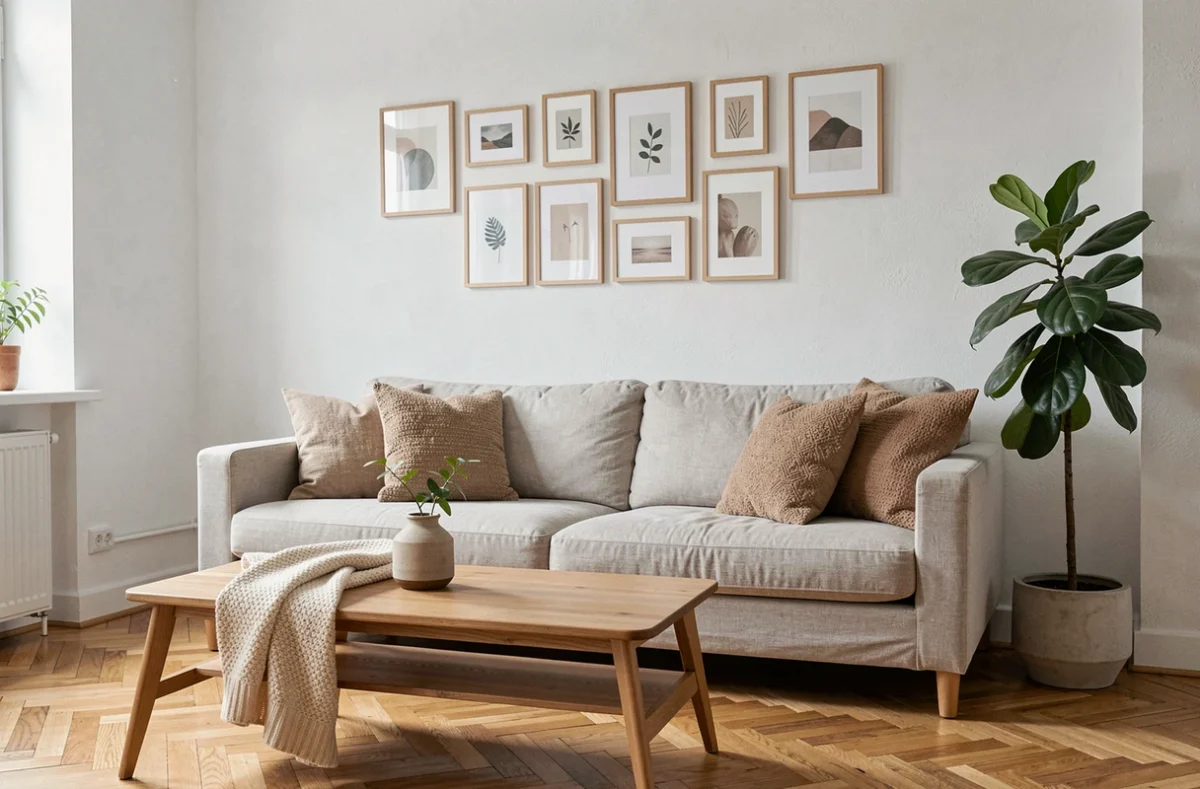
Personalizing your home means choosing colors, furniture and materials. These decorative choices also have a direct impact on the quality of the air you breathe indoors. National measurement campaigns conducted between 2003 and 2023 show an overall improvement, but some pollutants still exceed reference levels in a proportion of homes.
Paints, varnishes, adhesives and particleboard furniture are among the sources of volatile organic compounds. Balancing a home that reflects your style with healthy air and energy-efficiency renovation requirements is the real challenge to address before thinking about a color palette.
Indoor air quality and decorating choices: how materials make a difference
New particleboard furniture, glued laminate flooring or oil-based paint can release volatile organic compounds (VOCs) for weeks, sometimes months. These emissions depend on the product, room ventilation and ambient temperature.
The most reliable approach is to check the regulatory label on building and decorating products. Class A+ indicates the lowest emissions. Choosing water-based paints, natural wood oils or low-solvent adhesives reduces the chemical load in each room.
Ventilation is just as important as the choice of materials. When making a home more airtight (new windows, interior insulation), the ventilation system must be reconsidered at the same time. Without sufficient air exchange, pollutants build up, even when using A+ rated products. A properly maintained single-flow mechanical ventilation system, or a dual-flow system for major renovations, makes up for the loss of natural ventilation.
Decorating ideas and practical advice published in HyperScoop’s home section explore these topics from an everyday perspective, bringing together aesthetics and comfort.
| Material / Product | Potential source of VOCs | Lower-emission alternative |
|---|---|---|
| Oil-based paint | Organic solvents | Acrylic or mineral paint (Class A+) |
| Glued laminate flooring | Adhesives and resins | Oiled solid wood flooring, floating installation without adhesive |
| Particleboard furniture | Formaldehyde (particleboard panels) | Solid wood, metal, or E1/E0.5-certified panels |
| Scented candle, incense | Fine particles, benzene | Cold-air diffuser with high-quality oils |
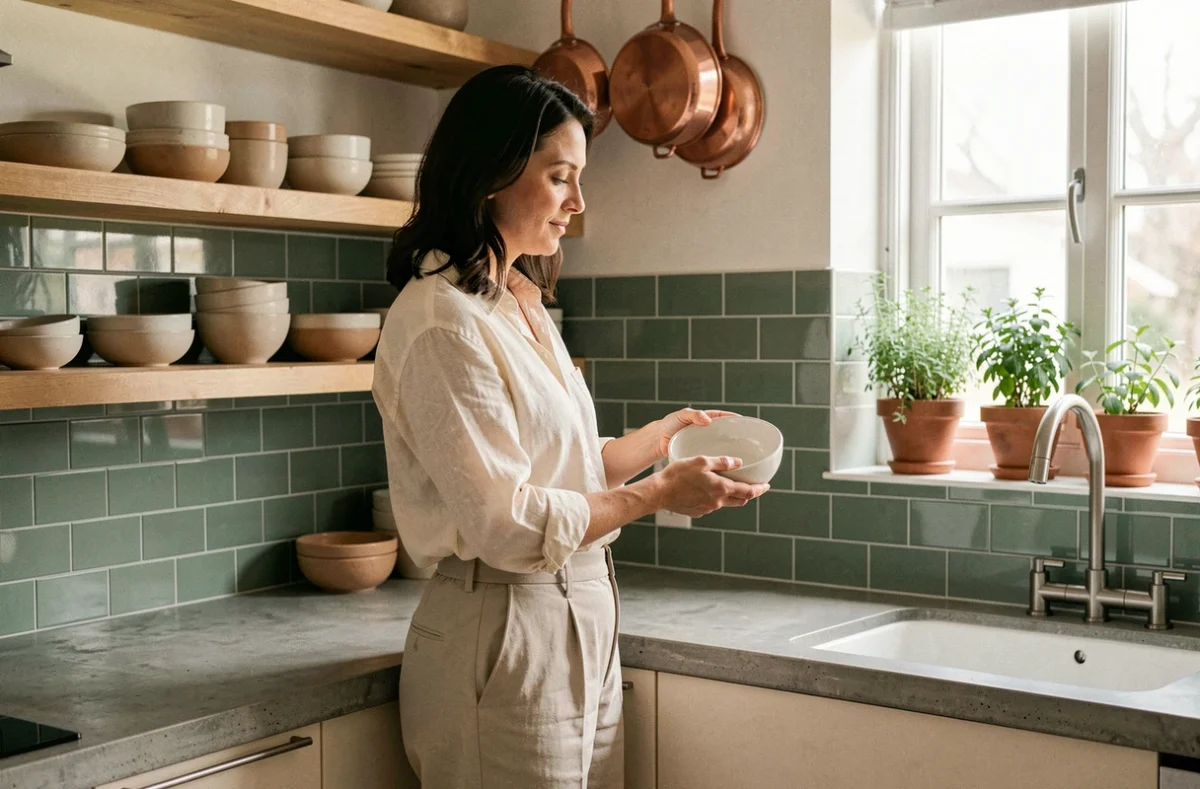
Energy-efficiency renovations and interior design: a schedule that sets priorities
Landlords face a clear regulatory timeline. In mainland France, homes rated G have been banned from the rental market since January 1, 2025. Class F homes will follow in 2028, then Class E homes in 2034.
The share of homes rated F or G fell from 13.8% to 12.7% of primary residences between 2024 and 2025, according to figures reported by Le Pays, citing Ademe. The number of affected homes remains substantial.
For a landlord planning to refresh the decor of a rental property, energy-efficiency upgrades become a necessary first step. Insulating walls from the inside reduces the available space in each room. Replacing windows means rethinking window treatments (blinds, curtains, frames). Installing a new heating system may free up a wall previously occupied by a radiator—or take another wall out of use.
Check the EPC before planning decorating work
An old EPC may no longer be valid for renting out a property. Before choosing a wall color or floor covering, check that the assessment is still valid and find out what obligations it entails. A home reclassified as F or G following a new EPC assessment will need insulation or heating upgrades that can disrupt the original decorating plan.
The logical order is: assessment, building-envelope upgrades, then decorating. Paint before insulating, and you’ll have to do the job twice.
Colors, furniture and style: personalize your space without overwhelming it
Once the technical requirements are clear, personalizing each room comes down to three practical elements: the color palette, furniture and textiles.
Color shapes how we perceive a space. A narrow living room can feel larger with light shades on the long walls and a deeper color on the far wall. Kitchens and bathrooms can handle bolder colors because smooth surfaces (tiles, backsplashes) reflect light.
Furniture and layout: choose according to how you use each room
It’s best to choose furniture room by room, based on how each space is actually used:
- In the living room, a sofa sized to fit the space prevents a tunnel-like effect. A low TV stand opens up the view and keeps the window in sight.
- In a child’s bedroom, closed storage helps limit dust (and allergens) while making it easier to keep things tidy. Adjustable furniture (an extendable bed, an adjustable desk) means you won’t have to replace everything after just a few years.
- In the kitchen or dining room, a solid wood table ages better than a melamine-topped one and does not release formaldehyde over time.
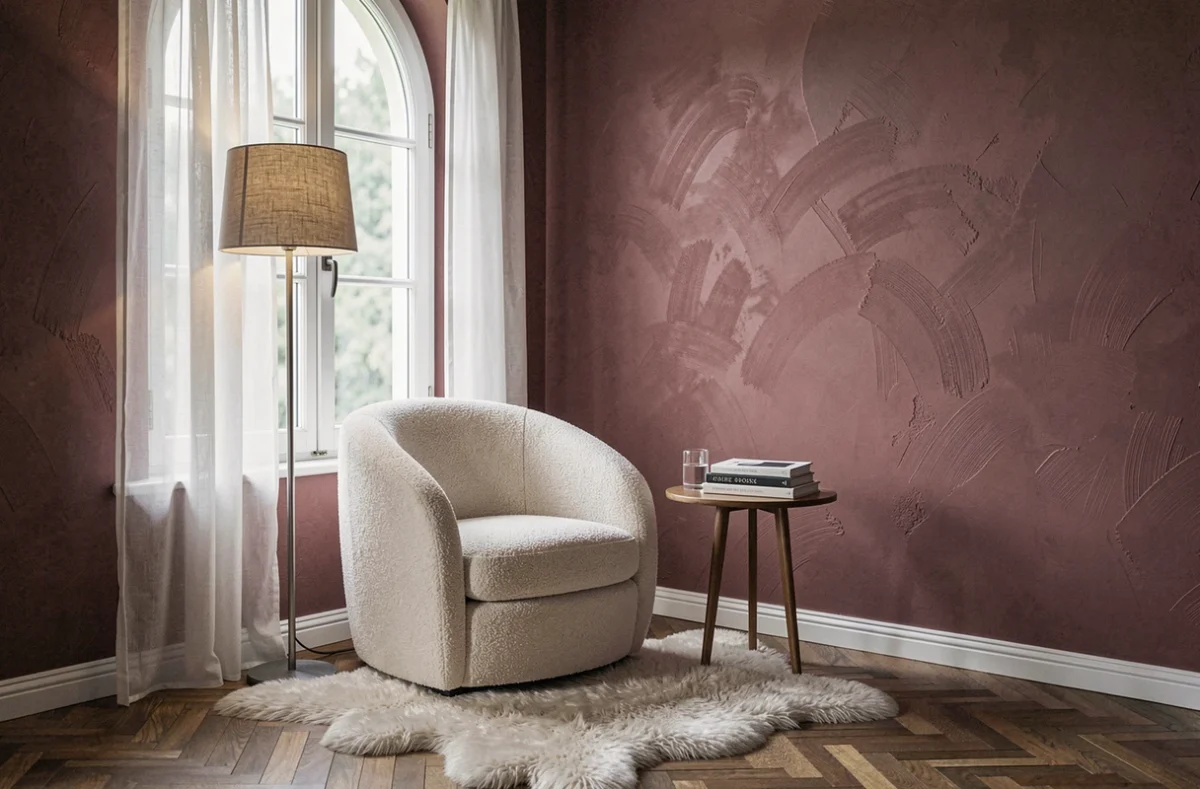
Textiles and accessories: finishing touches that transform a room
Curtains, cushions, rugs and throws change the feel of a room without any renovation work. They’re also the easiest items to update with the seasons. To limit VOCs, choose natural-fiber textiles (linen, organic cotton, wool) without chemical stain-resistant treatments rather than treated synthetics.
An untreated wool rug absorbs sound and does not release volatile compounds, unlike some low-cost synthetic rugs, which can emit styrene or formaldehyde for several weeks.
Interior design and renovation: three common mistakes to avoid
Some mistakes crop up frequently when combining a decorating project with technical requirements:
- Installing new flooring before checking the condition of the floor insulation. In a renovation, a poorly insulated floor can trap moisture beneath the new covering, causing mold and lifting.
- Choosing built-in furniture for an uninsulated exterior wall. Moisture trapped behind the furniture damages the wood and encourages mold growth. Leaving a few centimeters for airflow is enough to prevent the problem.
- Neglecting bathroom ventilation after replacing a window. A more airtight window without suitable mechanical ventilation can turn the room into a permanent condensation zone.
Every decorating choice interacts with the building envelope. A personalized interior that lasts requires addressing the technical essentials before focusing on the finishing touches. Even the most elegant material loses its appeal if it warps in damp conditions or degrades the air we breathe every day.