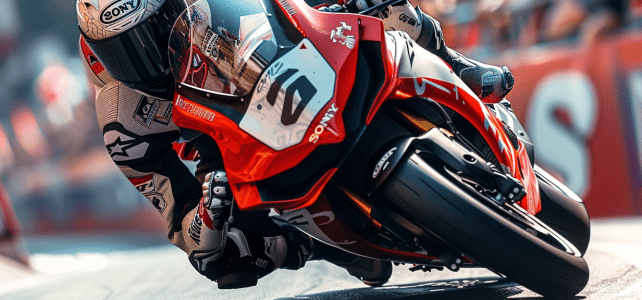
Grand Prix motorcycles fascinate with their combination of speed, technology, and precision. Understanding their performance requires examining several essential factors. The engine plays a central role. Four-stroke engines, often 1000 cm³, are optimized to deliver maximum power while adhering to the strict regulations of the championship. Aerodynamics and weight are major factors. Carbon fiber fairings and lightweight materials help reduce drag and improve agility. The talent of the riders and the strategies of the teams are decisive. The synergy between man and machine often determines the outcome of the races.
The engines and their impact on performance
Grand Prix engines are at the heart of the breathtaking performance of the motorcycles. The Fédération Internationale de Motocyclisme (FIM) imposes strict limits on engine power in MotoGP, ensuring balanced and safe competition. Even within this regulatory framework, engineers compete in ingenuity to maximize engine power and efficiency. MotoGP engines are often four-stroke engines of 1000 cm³, designed to deliver maximum power while meeting technical constraints. CRT machines, for example, have engines derived from the series and can reach around 220 horsepower. This considerable power allows GP motorcycles to maintain high speeds throughout the races while offering explosive acceleration.
- Engine power: up to 220 horsepower for CRT machines.
- Moto GP weight: a fundamental factor for agility and maneuverability.
- FIM regulations: limits to ensure fairness and safety.
The weight of the Moto GP also plays a crucial role. A lighter motorcycle improves agility and maneuverability on complex circuits. Engineers use advanced materials like carbon fiber to reduce weight without compromising strength. This combination of power and lightness allows riders to push the limits of speed and precision. Engine technology continues to evolve, with constant innovations in combustion, cooling, and electronic management. These advancements improve energy efficiency and maximize performance on the track.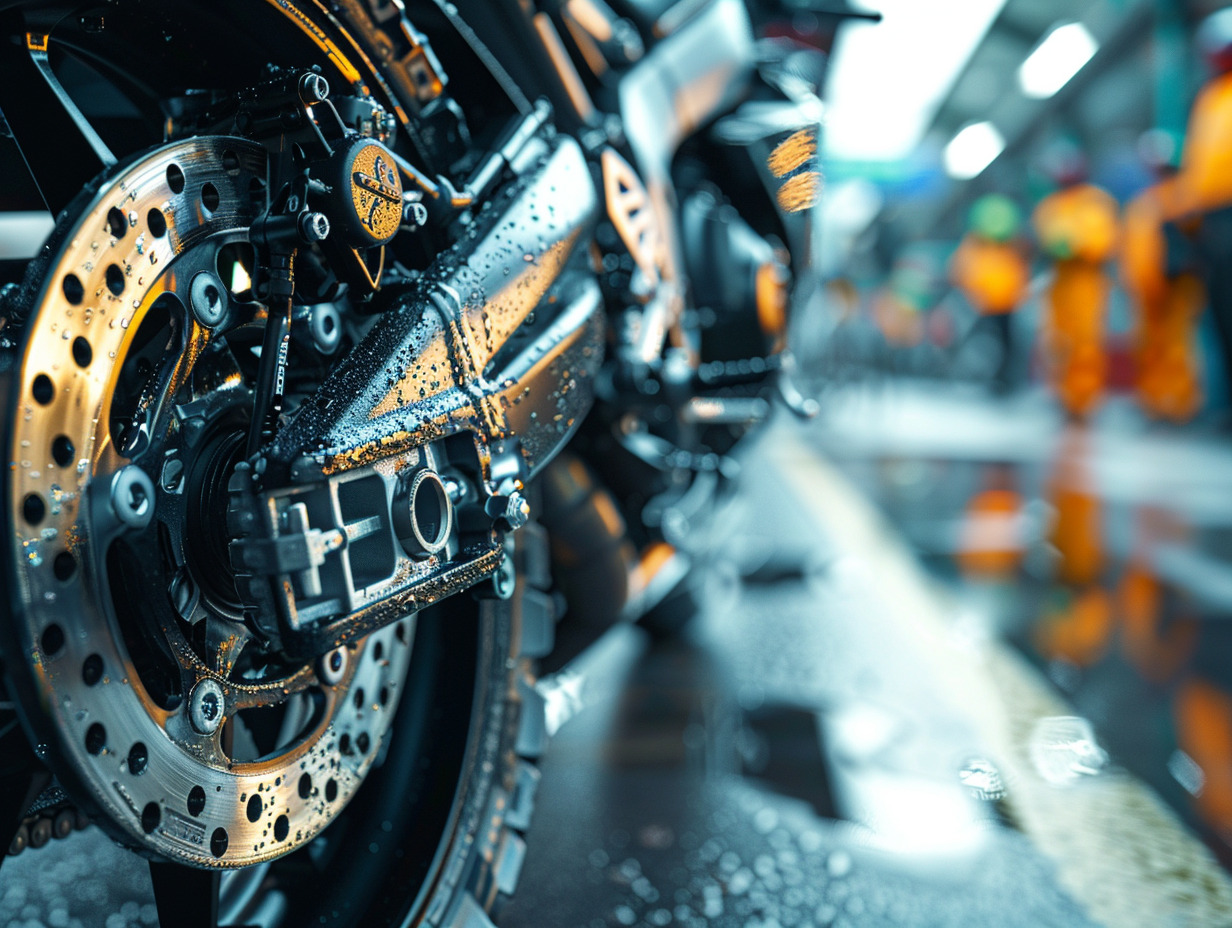
Technologies and innovations in MotoGP
The premier category of motorcycle racing, MotoGP, stands out for its cutting-edge technologies and constant innovations. Teams work tirelessly to optimize every aspect of their machines, from aerodynamics to electronic management, including tires. Indeed, Michelin is the official tire supplier for MotoGP, and their role is fundamental to the overall performance of the motorcycles. Tires must provide maximum grip while withstanding the high temperatures generated by the insane speeds reached on the circuits. For example, Jorge Martin set a new speed record in MotoGP at 363.6 km/h, demonstrating the importance of tire technology. Before him, Johann Zarco and Brad Binder held the previous record at 362.4 km/h, highlighting the competitiveness of this discipline.
The electronic innovations
Electronic management is another area where innovations are constant. Traction control systems, anti-wheeling, and engine braking are all electronically managed to provide riders with optimal control of their machines. These technologies enhance safety while maximizing performance.
The circuits and records
The circuits on the MotoGP calendar, such as Mugello, are testing grounds for these innovations. Mugello is one of the most popular circuits, offering unique challenges in terms of speed and maneuverability. Marc Marquez holds the current lap record at the Circuit of the Americas with a time of 2:02.135, illustrating the technical excellence of MotoGP machines and riders.