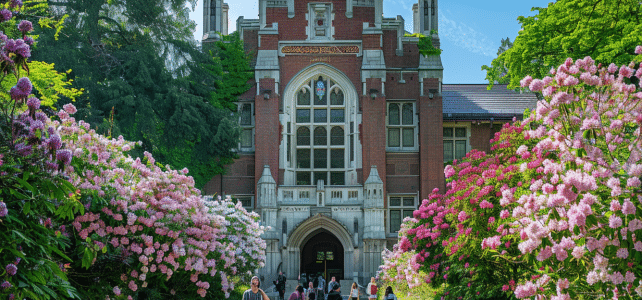
Excellence institutions in the field of education play a fundamental role in shaping the leaders of tomorrow. By focusing on innovative teaching methods, these establishments attract the brightest minds and prepare students to tackle future challenges. Their reputation is based on rigorous criteria, ranging from the quality of teaching to technological infrastructure, as well as community engagement.
These schools stand out for their stimulating environment where each student is encouraged to develop their unique skills. Through diverse programs and a highly qualified faculty, they pave the way for promising careers and significant contributions to society.
Selection criteria for excellence institutions
The selection criteria for excellence institutions in the field of education are numerous and varied. These establishments are distinguished by their ability to provide a high-quality educational framework that meets the specific needs of each student. Several elements are taken into account to assess their excellence.
Key elements
- Quality of teaching: Teachers must possess high qualifications and significant experience in their field. Programs like those of the campus of trades and qualifications ensure cutting-edge training.
- Modern infrastructure: Access to advanced technologies, such as FabLabs, allows students to familiarize themselves with the tools they will use in their future careers.
- Partnerships with businesses: Close collaborations with the private sector, like the initiatives of Alcuin Purpan, facilitate the professional integration of graduates.
Programs and degrees offered
Vocational high schools, for example, offer tailored programs and reinforce degrees. The professional baccalaureate allows for further studies in higher technician sections while providing opportunities for work-based learning. Co-teaching between teachers of general and vocational subjects enriches students’ skills.
Support and mobility
Personalized support is a cornerstone of excellence institutions. Vocational high schools, for example, offer constant support to consolidate learning and prepare students for orientation. International mobility is encouraged, allowing high school students and apprentices to go abroad for stays ranging from 15 days to one year. This international openness is a major asset for their personal and professional development.
Examples of excellence institutions in France and internationally
In France, vocational high schools embody excellence in technical and professional training. Among them, campuses of trades and qualifications stand out for their innovative and integrated approach. Present in 12 professional fields, these campuses offer modern infrastructure, including FabLabs, and promote partnerships with local and international businesses. These collaborations allow for concrete immersion in the working world, ensuring training that aligns with market needs.
Vocational high schools are also references in professional training. They offer a wide range of programs in various sectors, from digital to industry, as well as the health and social sector. The ‘vocational high school’ label, awarded by the academic rector for a period of five years, attests to the quality of the training provided and the support for students.
Internationally, the BRIO initiative (Bureau of Realization and Innovation in Works) values student work within the framework of the Masterpieces of the Republic, a national operation open to all high schools and their institutional partners. This initiative highlights students’ skills and creativity while strengthening ties between educational institutions and the professional world.
The ENIC-NARIC France plays a fundamental role in the recognition of foreign diplomas. By issuing certificates of comparability or recognition of study periods, this institution facilitates the international mobility of students and professionals, thus allowing for better integration of skills at the global level.
The Laboratory of Innovation and Resources in Education (LIRE) participates in the international promotion of French educational digital technology. By collaborating with various stakeholders in the sector, LIRE contributes to the growth of information and communication technologies in education, thereby enhancing the attractiveness and competitiveness of French institutions on the international stage.