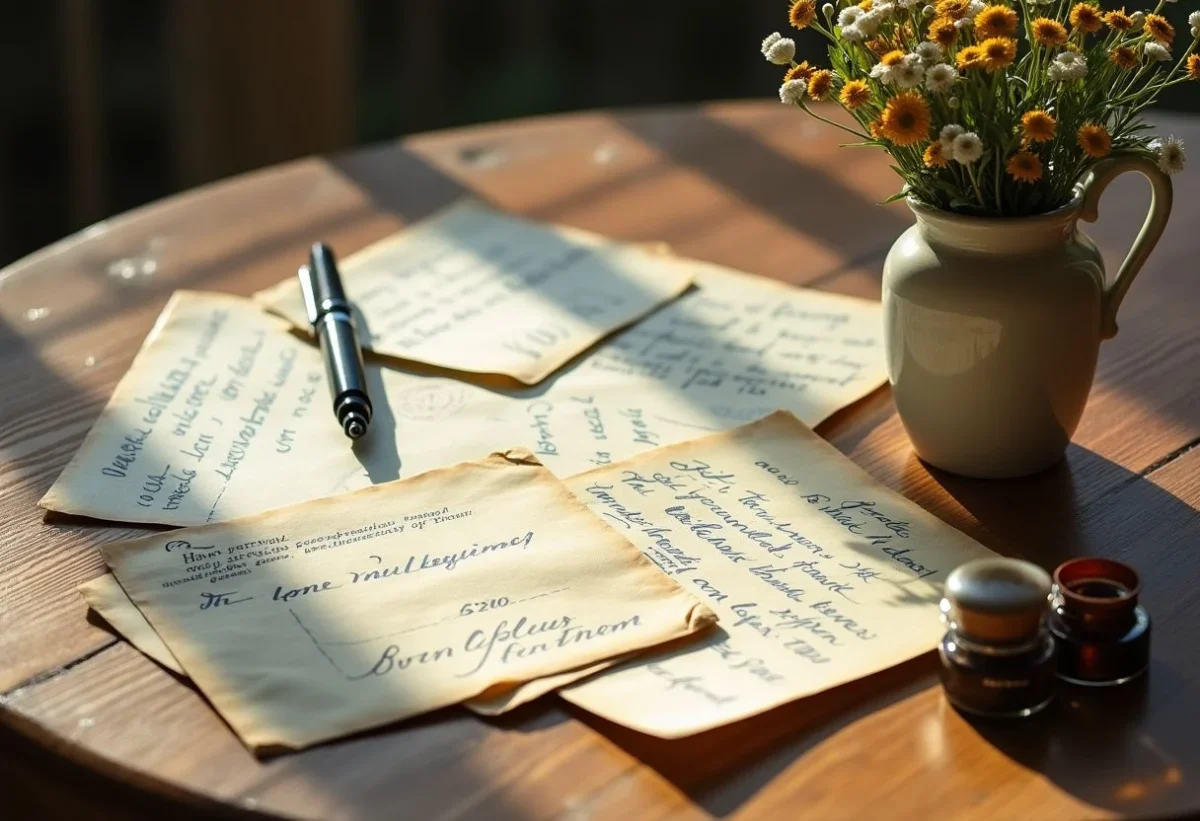
In the digital age where emails, instant messages, and social networks dominate, a persistent tradition refuses to yield to the sirens of modernity: sending cards. This practice, which may seem outdated, is gaining popularity among those seeking a more personal and tangible form of communication. The intimacy of the gesture, the palpable emotion upon receiving a handwritten envelope, deliciously contrasts with the ephemeral and impersonal nature of online communication. Sending a card is about taking time, choosing words carefully, and creating an authentic connection. Far from being a simple act, it is an experience that remains etched in the memory of the recipient.
A Dive into the History of Postcards
To understand the current significance of the card to send, it is helpful to look back at its past. The postcard emerged in the 19th century, revolutionizing the way people exchanged news.
- The Advent: The first official postcard appeared in Austria in 1869. It was a response to the need for quick and economical communication.
- Evolution: Quickly, it conquered the entire world, each country adopting and adapting the concept according to its cultural peculiarities.
- The Golden Age: The early 20th century was marked by the meteoric popularity of postcards, which became true collector’s items.
The Reasons for a Comeback
As digital reigns supreme, why are we witnessing this resurgence of interest in sending cards?
- Personalization: Unlike dematerialized messages, a card is unique. It bears the mark of its sender, their handwriting, their style.
- Feeling of Authenticity: Receiving a card means receiving a part of the other, a sincere attention that does not evaporate in the vastness of the web.
- Aesthetic: Cards, often adorned with artistic illustrations, are small masterpieces that one loves to display. They are decorative elements in their own right.
- A Welcome Break: In a world saturated with screens, the card offers a pause, a return to a time when we took the time to communicate.
The Creative Process: When Sending Rhymes with Joy
Sending a card is not just about choosing a template and sticking on a stamp. It is an act of creation that begins long before the card leaves our hands.
It all starts with the careful selection of the card. Which image will best reflect the message we wish to convey? It is essential to consider the tastes and preferences of the recipient so that the surprise is fully appreciated. The choice of words is equally crucial. A well-thought-out text can touch the heart and remain etched in memory.
Next comes the step of stamping and sending. This is where the gesture comes to life, becomes concrete.
The card to send is placed in a mailbox, ready to embark on its journey to the one waiting on the other side.
Cards in the Modern World: A New Life
In our current society, the card to send takes on new forms and finds new uses. It is no longer just a simple means of correspondence; it becomes a vector of creativity.
Artists, for example, use the card as a medium to express their art, transforming each sending into an unprecedented work. Businesses, on the other hand, are rediscovering the effectiveness of this tool to retain their customers.
A carefully written thank-you or greeting card can leave a lasting impression on the recipient’s mind. Special events, such as weddings or year-end celebrations, are opportunities to strengthen bonds through an authentic gesture.
Finally, digital cards, which combine modernity and tradition, offer a new dimension to this age-old practice.