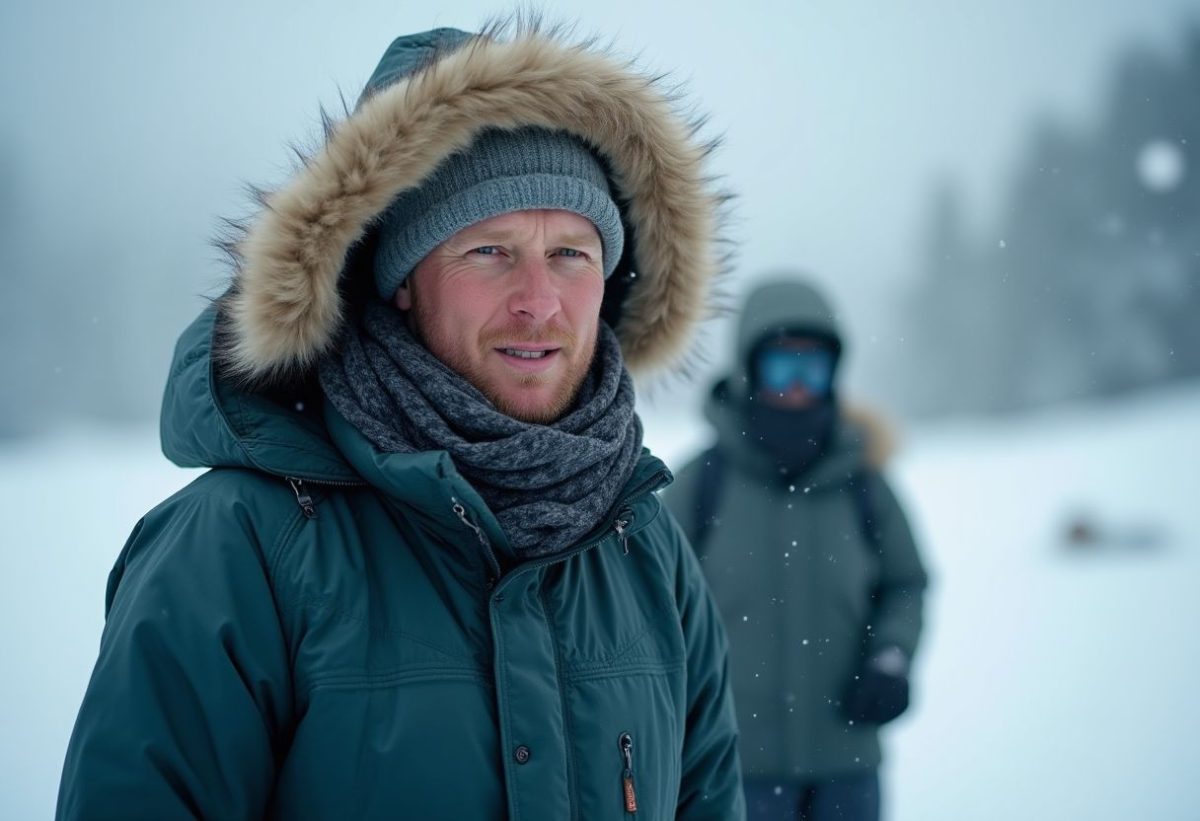
Preparing for extreme cold requires special attention to the clothing one chooses to wear. Negative temperatures can make outdoor outings particularly challenging, and without adequate protection, even a short exposure can become uncomfortable or even dangerous. Choosing the right warm clothing is essential to maintain optimal thermal balance and ensure protection against severe elements. This approach goes beyond simply layering. It involves understanding materials, design techniques, and principles that ensure effective insulation and thermal regulation. Making the right decisions not only keeps you warm but also allows you to fully enjoy winter activities, whether it’s city walks or mountain hikes.
Understanding Insulating Materials
The choice of materials is a fundamental component in creating a high-performance warm garment. Different materials offer various insulation properties, and knowing which ones to prioritize is crucial for maximizing warmth.
- Wool: naturally insulating, wool retains heat even when wet. It’s an excellent choice for base layers or mid-layers.
- Down and Feathers: lightweight and extremely warm, these materials are ideal for men’s down jackets and other outerwear. They trap warm air, providing superior insulation.
- Synthetics: synthetic fibers, such as polyester, are often used for their quick-drying properties and their ability to mimic down structure without the moisture-related complications.
Layering: An Art to Master
The layering technique is essential for effective body heat management. The idea is to create an adaptable system that responds to temperature variations and activity levels.
Start with a breathable base layer designed to wick moisture away from the skin. A mid-layer provides additional insulation, while the outer layer protects against wind, rain, and snow. Choosing garments with windproof and waterproof properties is particularly beneficial when temperatures drop dramatically.
The Importance of Design Details
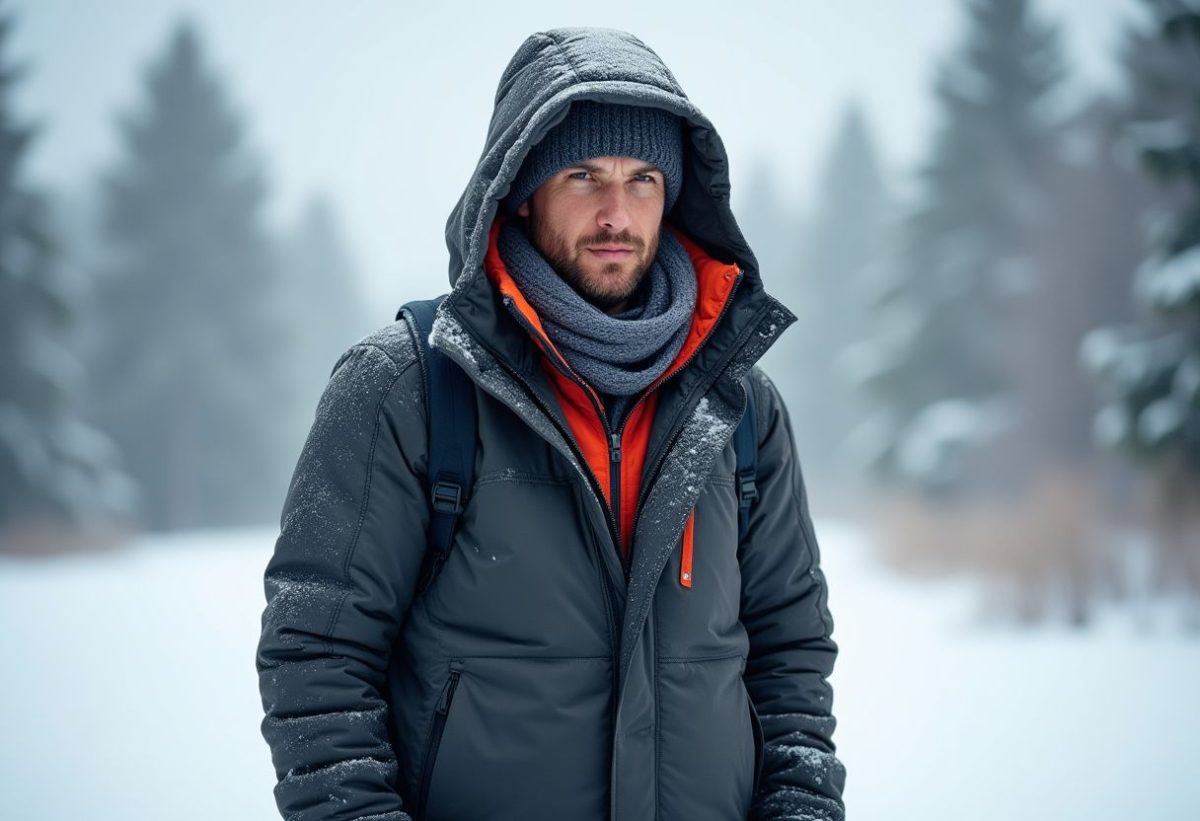
Beyond materials and layers, design details play a crucial role in the thermal efficiency of a warm garment. Every element is designed to add value in terms of comfort and protection.
Look for clothing with adjustable hoods, elastic cuffs, and drawstrings at the waist. These features help minimize heat loss and prevent cold air infiltration. Two-way zippers and underarm vents offer adjustable ventilation, essential for regulating body temperature during sustained activities.
Adapting Clothing to the Activity
Clothing needs vary depending on the planned activities. Therefore, it is crucial to adapt your clothing choices for each situation.
For intense physical activities like skiing or hiking, it is advisable to prioritize lightweight and breathable garments. In contrast, for more static activities, such as wildlife observation or city walks, maximum insulation becomes paramount. Considering the duration of exposure and weather conditions is essential for guiding your choices.
Choosing warm clothing suitable for negative temperatures is not just a spontaneous purchase but a thoughtful and strategic planning process. By wisely combining materials, layering techniques, and design details, it is possible to create a winter wardrobe that balances comfort, functionality, and style.